Quick answer
The essential D Day sites to visit in Normandy include five landing beaches—Omaha, Utah, Gold, Juno, and Sword—plus the American Cemetery at Colleville-sur-Mer, which opens daily from 09:00 to 17:00 with free entry year-round. Pointe du Hoc, the clifftop battery assaulted by U.S. Rangers, and the Caen Memorial Museum provide critical context. Most visitors allocate two full days to cover the American sector (Omaha and Utah) and one day for the British-Canadian beaches.
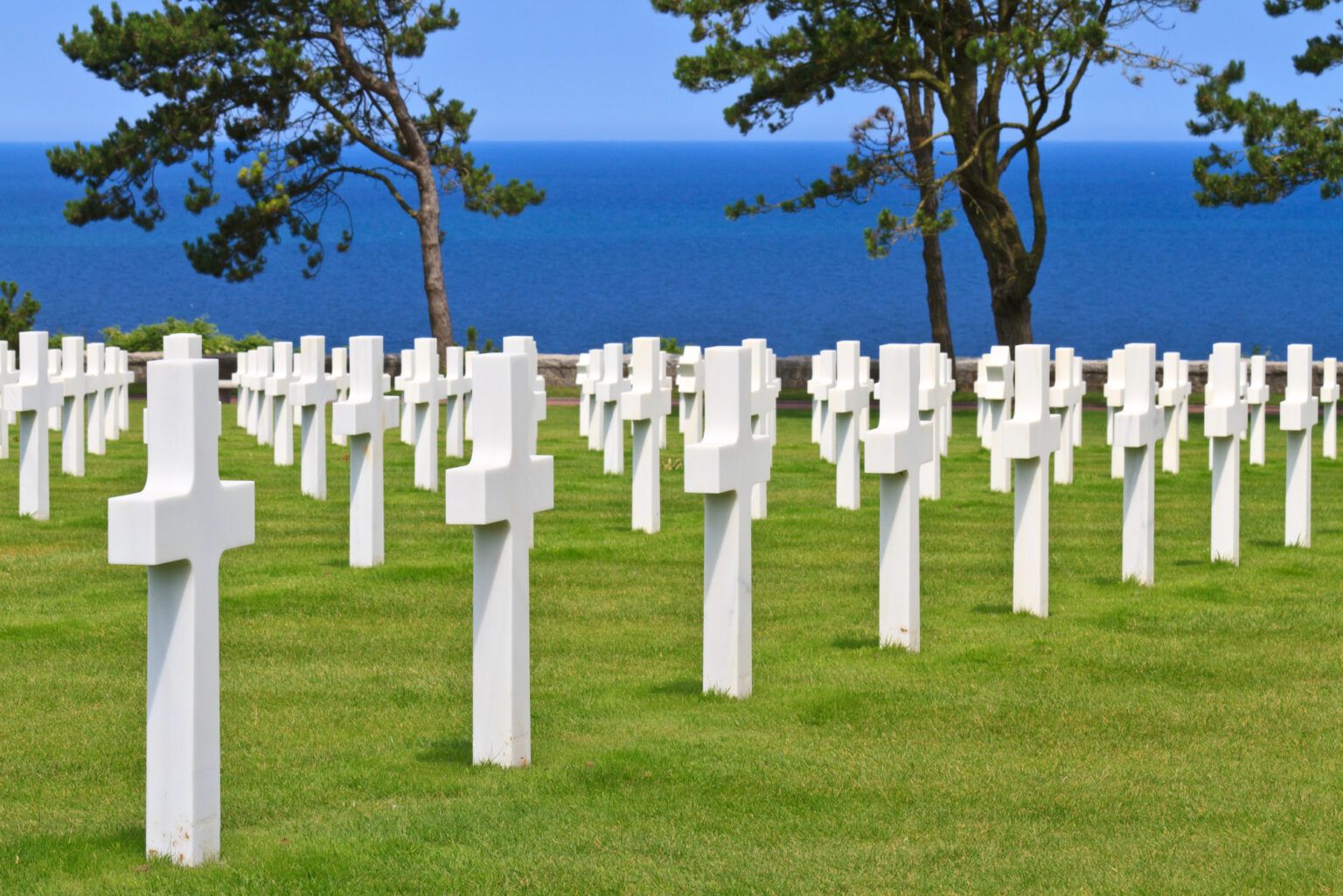
Seventy percent of first-time visitors to Normandy underestimate the distances involved. The five invasion beaches span more than 80 kilometers, and the key sites within each sector are rarely adjacent. Understanding the geography before you arrive determines whether you see three locations or ten. The American sector anchors most itineraries. Omaha Beach, the bloodiest of the landings, runs six kilometers between Vierville-sur-Mer and Colleville-sur-Mer. The beach itself is open coastline—no ticket, no gate—but the bluffs above hold the American Cemetery, where 9,388 white marble crosses face west toward the United States. The cemetery operates on a fixed schedule, closing at 17:00 daily, so arriving after 16:30 leaves insufficient time to walk the grounds and visit the memorial chapel. Five kilometers west, Pointe du Hoc preserves the cratered landscape where Rangers scaled 30-meter cliffs under direct fire. The German bunkers remain in place, and the bomb craters have not been filled. Utah Beach, 40 kilometers northwest, saw lighter resistance but required precise coordination between airborne troops and amphibious forces. The Utah Beach Museum occupies a German strongpoint at the water's edge, displaying original landing craft and personal effects recovered from the sand. Sainte-Mère-Église, six kilometers inland, marks where the 82nd Airborne dropped during the night of June 5–6; the Airborne Museum there reconstructs the paratrooper experience with immersive exhibits. The British and Canadian beaches—Gold, Juno, Sword—lie east of Omaha and receive fewer visitors despite their historical significance. Arromanches, on Gold Beach, preserves the remains of Mulberry B, the prefabricated harbor that sustained the Allied supply line for months. Juno Beach Centre, Canada's national museum, integrates oral histories and multimedia displays. Sword Beach, the easternmost landing, connects to Pegasus Bridge, captured intact by British glider troops hours before the main assault. Many d day sites to visit in normandy operate on seasonal schedules, and several close one day per week during winter months. The American Cemetery remains the only major site with guaranteed daily access and no admission fee. Combining beaches with their associated museums requires either a rental car or a structured tour; public transport between sites is infrequent and time-consuming.
“The five invasion beaches span more than 80 kilometers, and the key sites within each sector are rarely adjacent.”
Best Arrival Times for D Day Sites to Visit in Normandy
To manage the density of visitors at Normandy D-Day sites, the best arrival window is between 09:00–16:30. Arriving during this period helps you avoid mid-day crowds and ensures you have sufficient time before the 30-minute pre-closing cutoff.
Late Spring and Early Autumn
Moderate; fewer tour groupsMild, 12°C–18°C. Ideal for outdoor exploration.
These shoulder months offer a balance of comfortable temperatures and manageable visitor numbers. Weekdays are generally quieter than weekends.
Summer (June–August)
High; peak tourist seasonWarm, 15°C–23°C. Frequent sunny days.
Expect significant crowds at major sites. Arriving at 09:00 is essential to see key landmarks before congestion peaks.
Weekday mornings
Low to moderate—
Visiting on weekdays allows for a more deliberate experience. Arriving at 09:00 provides the clearest path through the sites.
Verdict: For the most efficient visit, aim for Tuesday to Thursday, arriving at 09:00 during the months of April, May, September, or October.
Opening Hours for D Day Sites to Visit in Normandy
The Normandy American Cemetery maintains consistent operating hours throughout the week.
| Monday | 09:00–17:00 | |
|---|---|---|
| Tuesday | 09:00–17:00 | |
| Wednesday | 09:00–17:00 | |
| Thursday | 09:00–17:00 | |
| Friday | 09:00–17:00 | |
| Saturday | 09:00–17:00 | |
| Sunday | 09:00–17:00 |
How to Plan Your D Day Sites to Visit in Normandy Itinerary
This full-day itinerary covers the key American, British, and Canadian sectors along the Normandy coast. Plan for 8-10 hours including drive time between sites.
Omaha Beach and Cemetery
Begin at the American Cemetery in Colleville-sur-Mer, then walk down to Omaha Beach to see the landing zone. Allow 2 hours for both sites.
Pointe du Hoc
Drive 15 minutes west to explore the clifftop fortifications and bomb craters where Rangers scaled the cliffs. Spend 45 minutes walking the preserved battlefield.
Utah Beach Museum
Head north to Sainte-Marie-du-Mont for the Utah Beach Museum and monument. Plan 90 minutes to see exhibits and walk the beach.
Gold Beach at Arromanches
Drive east to Arromanches to see the Mulberry harbor remains and visit the D-Day Museum. Allow 2 hours including beach access.
Juno Beach Centre
Continue east to Courseulles-sur-Mer for the Canadian sector museum and Juno Beach memorials. Spend 90 minutes before sites close.
Sword Beach at Ouistreham
Finish at the easternmost beach where British forces landed, visiting the Atlantic Wall museum if time permits. The drive from Juno takes 30 minutes.
Key D Day Sites to Visit in Normandy You Should Know
The Normandy coastline features several distinct locations that define the scale and impact of the June 1944 landings. These sites range from preserved coastal batteries to expansive memorials that honor the soldiers who fought across these sectors.
Normandy American Cemetery
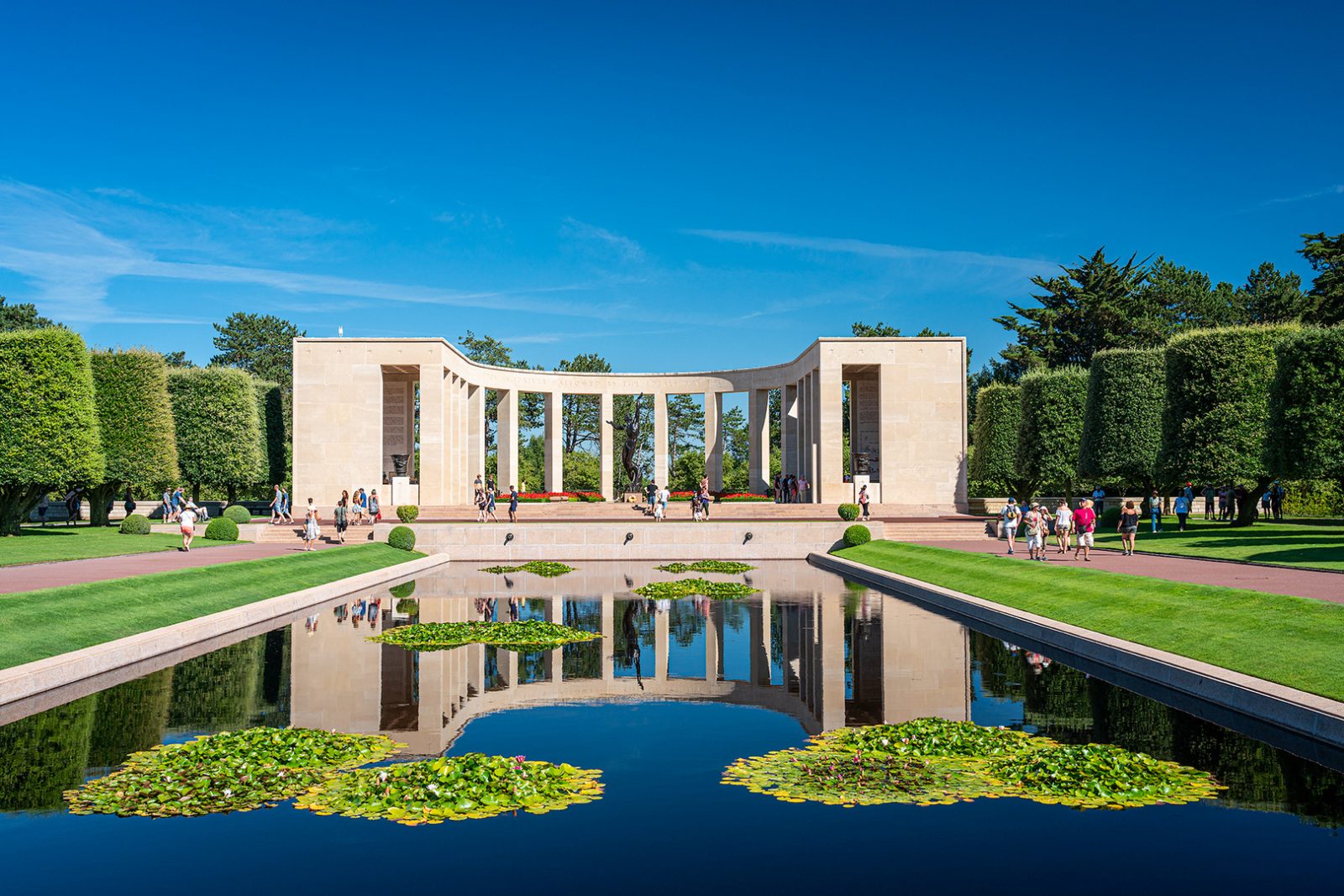
Located in Colleville-sur-Mer, this site contains the graves of 9,386 American service members and a memorial overlooking the beach. The grounds include the Spirit of American Youth statue and a reflection pool.
Walk to the western overlook for a view of the beach.
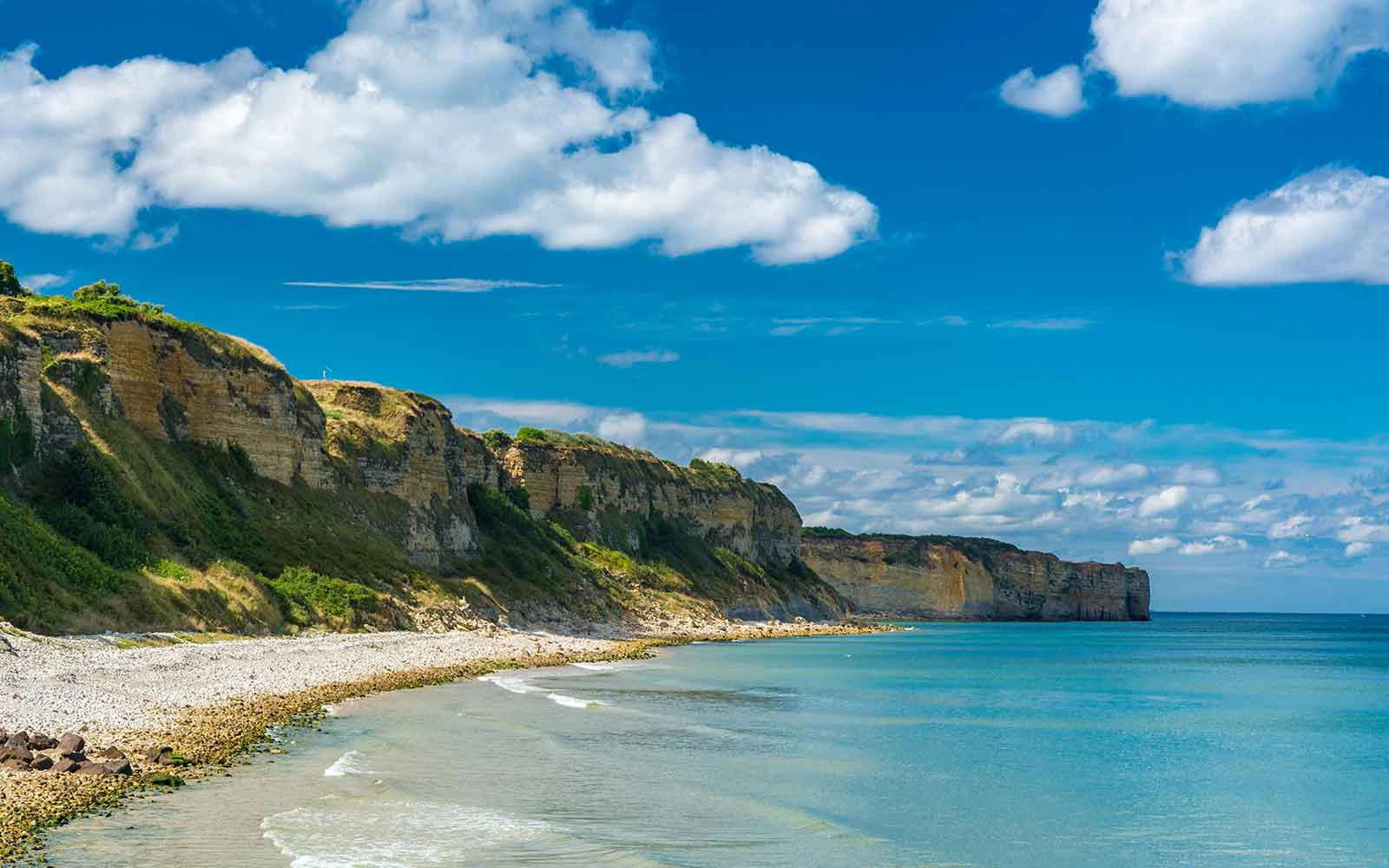
Omaha Beach
This landing zone spans the communes of Colleville-sur-Mer and Saint-Laurent-sur-Mer. The wide, sandy beach remains a central point for understanding the challenges faced by Allied forces during the initial assault.
Visit during low tide to see the vast expanse of sand.
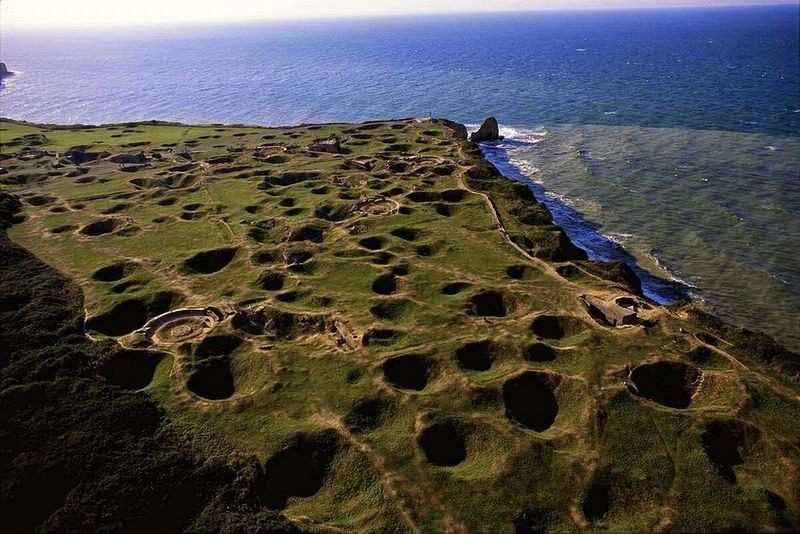
Pointe du Hoc
Situated on a cliff between Omaha and Utah beaches, this site preserves the German battery captured by the U.S. 2nd Ranger Battalion. The terrain remains heavily cratered from pre-invasion naval and aerial bombardment.
Walk the perimeter path to view original concrete casemates.
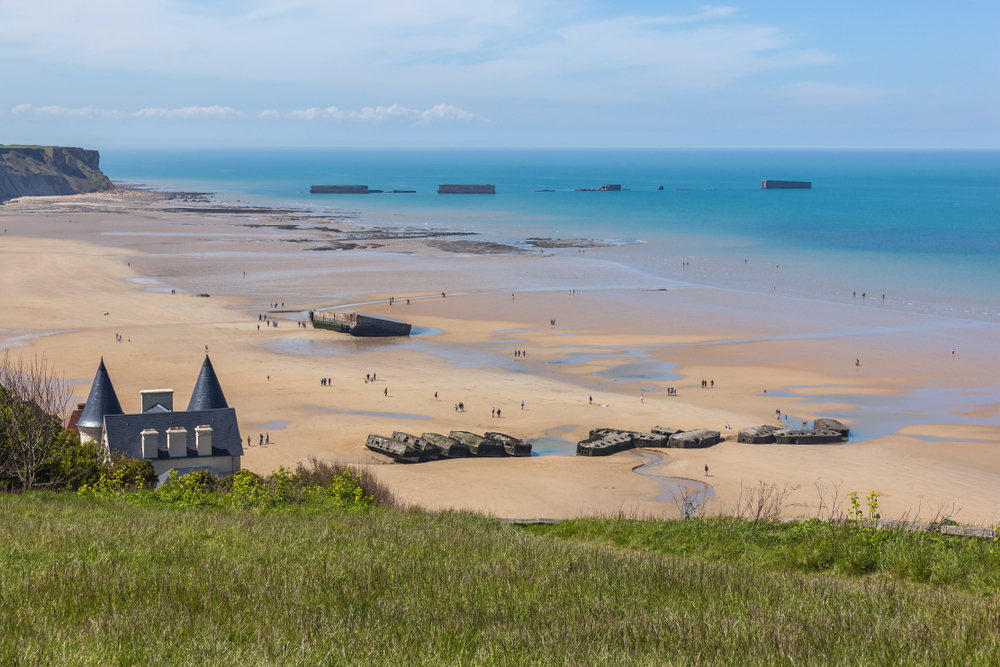
Arromanches-les-Bains
This site is known for the remnants of the Mulberry B artificial harbor, which can be seen at low tide. The nearby museum details the engineering required to support the Allied supply chain after the invasion.
View the harbor remains from the cliffside observation point.
Navigating D Day Sites to Visit in Normandy
The Normandy landing beaches span a wide coastal area, making private transport the most efficient way to travel between the various memorial sites and museums. While regional rail connects major towns like Bayeux and Caen, a car provides the necessary flexibility to explore the specific sectors along the coast.
Intercités or TER to Bayeux station
A13 motorway toward Caen, then D514 coastal road
Private hire from Bayeux to Colleville-sur-Mer
Other D Day Sites to Visit in Normandy and Nearby Towns
Visitors often combine a trip to the Normandy American Cemetery with other historical locations to gain a broader perspective of the 1944 campaign. These nearby towns and sites provide context to the events that unfolded along the coastline.
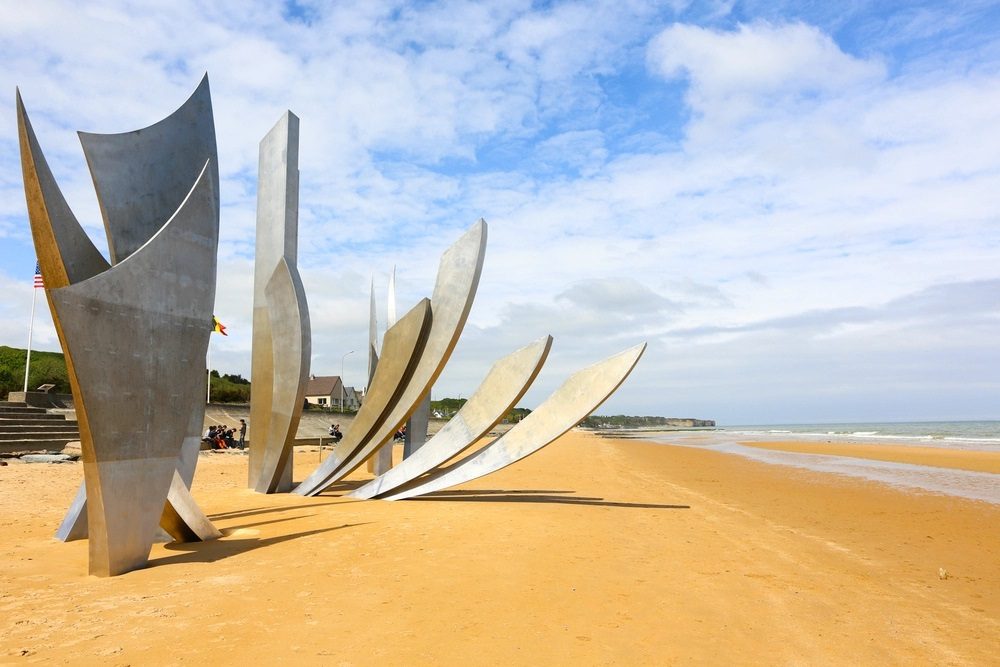
Omaha Beach
This site sits directly below the cemetery and allows visitors to stand on the ground where the D-Day landings occurred. It provides a geographical connection to the tactical challenges faced by Allied forces.
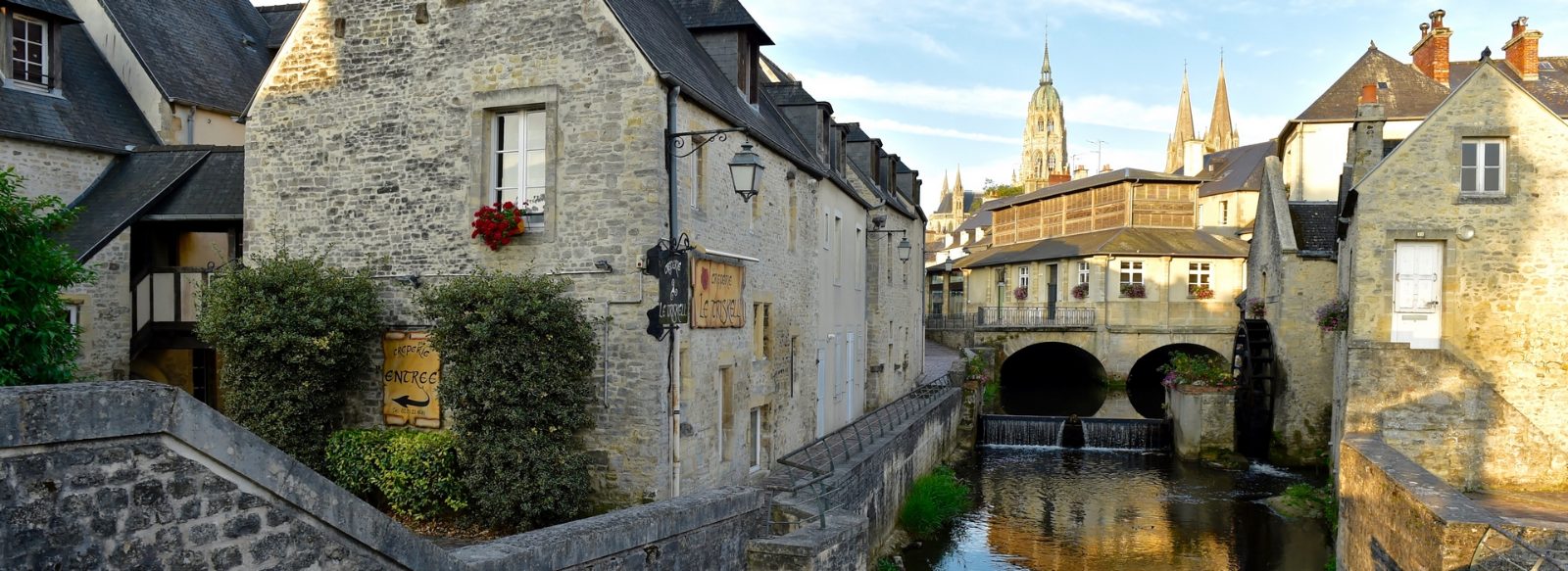
Bayeux
As the first major French city liberated during the Battle of Normandy, Bayeux serves as a historical hub featuring the Musée Mémorial de la Bataille de Normandie. It offers a calm setting for further historical study after visiting the landing beaches.
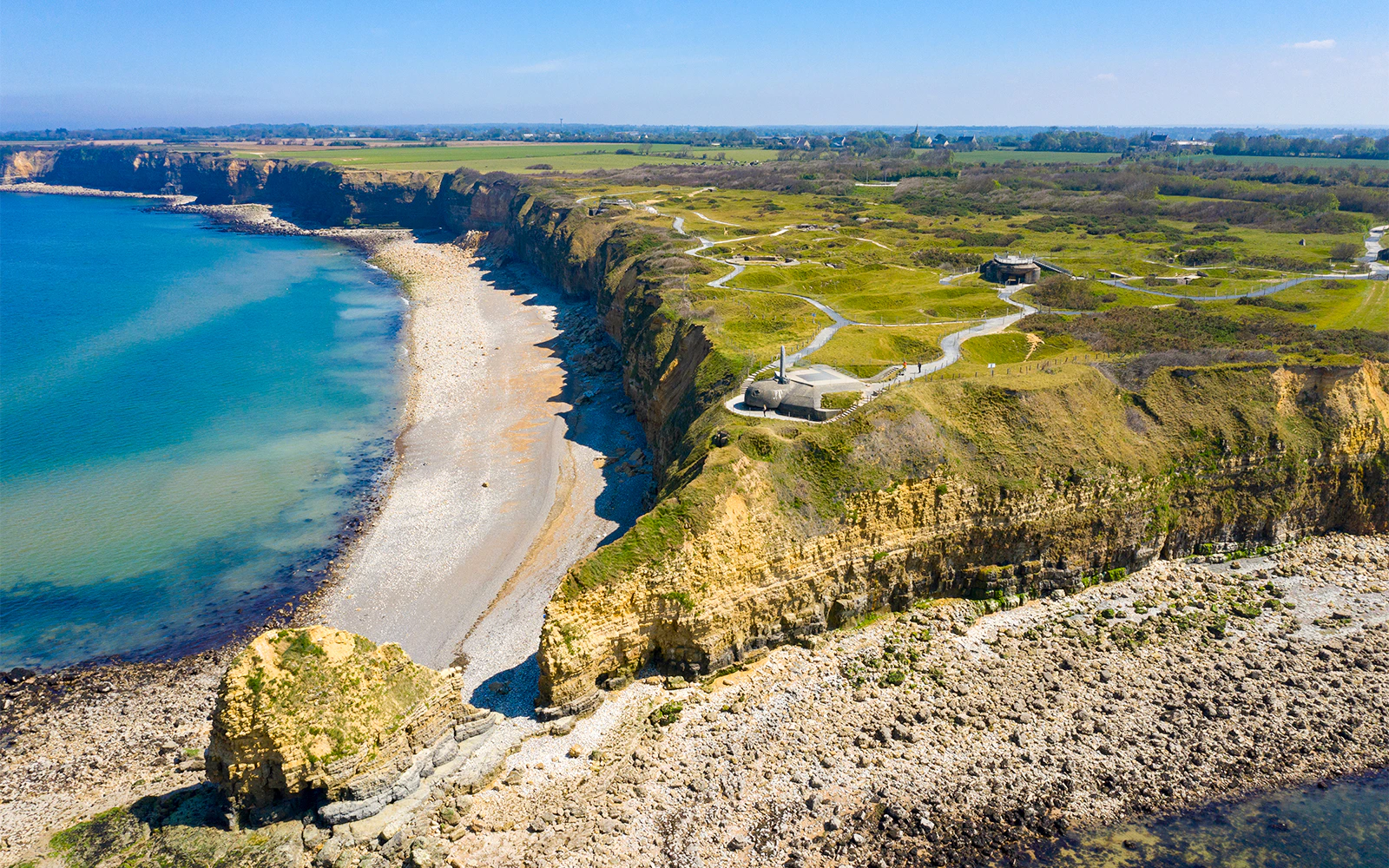
Pointe du Hoc
This cliffside battery remains one of the most significant German fortification sites and complements a cemetery visit by illustrating the intensity of coastal defenses. It features preserved bunkers and bomb craters from the assault.

Caen Memorial
The Caen Memorial provides a comprehensive overview of the entire war, from the origins of the conflict to the liberation of Europe. It acts as an educational anchor for those looking to understand the wider historical narrative.
Check availability
Common Questions about D-Day Sites to Visit in Normandy
Everything you need to know about d day sites to visit in normandy