Quick answer
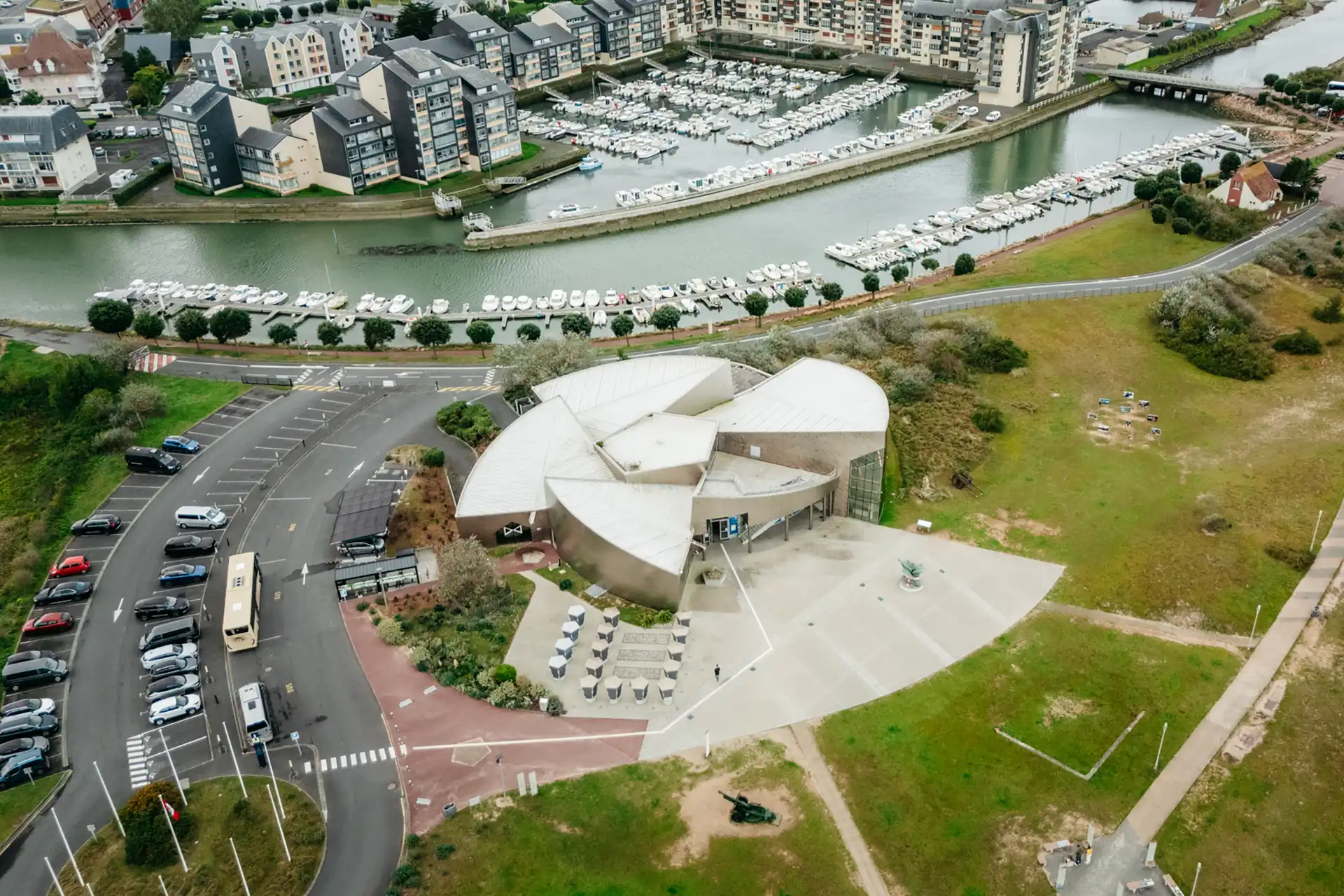
Normandy d day tours canadian focused on the Juno Beach sector typically begin at the Juno Beach Centre in Courseulles-sur-Mer, open daily from 09:30 to 18:00 with 9 EUR admission. Most guided tours of Canadian landing sites include the Centre, Bernières-sur-Mer, and the Bény-sur-Mer Canadian War Cemetery, running three to four hours. Arrive between 09:30 and 16:00 to allow time for the museum's exhibits and nearby memorials before closing.
The 3rd Canadian Infantry Division landed on a six-kilometer stretch of sand that today remains one of the quieter corners of the invasion coast. Unlike the American sectors to the west, Juno Beach retains working fishing harbors and residential streets that reach the waterline, a landscape that frames Canadian war history within the rhythms of Norman coastal life. The Juno Beach Centre stands as the only museum on the D-Day beaches built by the nation whose forces landed there. Its exhibits document not just the assault but the broader Canadian war effort, linking Regina and Winnipeg regiments to the farms and small towns that sent them. Visitors walking the beachfront will find preserved German bunkers, a concrete seawall that obstructed tank movement, and interpretive panels marking the advance inland. Bernières-sur-Mer, two kilometers east, preserves additional fortifications and the House of Queen Bertha, a medieval residence caught in the crossfire. Guided normandy d day tours canadian offerings range from half-day itineraries covering Juno Beach and the war cemetery to full-day circuits that add Arromanches and the British Gold Beach sector. Independent visitors using the Juno Beach Centre as a base will want to budget at least ninety minutes for the museum's permanent collection, temporary exhibits, and guided beach walk. The Centre's bilingual staff and English-language audio guides accommodate international visitors, though booking ahead during the summer season and anniversary months prevents wait times. The Bény-sur-Mer Canadian War Cemetery, six kilometers inland, holds 2,049 graves in precise rows facing a stone cross. It sits on farmland donated by France in perpetuity, maintained by the Commonwealth War Graves Commission. Combining the Centre, cemetery, and beachfront memorials creates a half-day reconnaissance of the Canadian sector. Those adding the Ardenne Abbey massacre site or the radar station at Douvres extend the itinerary to a full day. Public transit serves Courseulles-sur-Mer from Caen, but a car or organized tour allows efficient movement between dispersed sites along the coast.
“The Juno Beach Centre remains the only museum on the landing beaches built by the nation whose soldiers stormed its sand.”
Normandy D-Day Tours Canadian: Juno Beach Centre Operating Hours
The Juno Beach Centre maintains consistent daily operations throughout the week to accommodate visitors interested in Canadian D-Day history. The site is open every day of the week.
| monday | 09:30–18:00 | |
|---|---|---|
| tuesday | 09:30–18:00 | |
| wednesday | 09:30–18:00 | |
| thursday | 09:30–18:00 | |
| friday | 09:30–18:00 | |
| saturday | 09:30–18:00 | |
| sunday | 09:30–18:00 |
Planning Your Visit to Normandy D-Day Tours Canadian Locations
This itinerary suits history enthusiasts seeking a focused visit to Canadian D-Day sites, centered on Juno Beach Centre and the surrounding battlefield remains. Plan for 1.5 hours to cover the museum exhibits and coastal bunkers at a comfortable pace.
Arrive at Juno Beach Centre
Enter the museum when doors open to avoid mid-day crowds. Begin with the permanent exhibits chronicling the Canadian Third Division's landing on June 6, 1944, allowing 45 minutes to navigate the galleries and personal testimonies.
Explore Temporary Exhibits
Visit the rotating exhibition space on the upper level, which typically features specialized aspects of the Canadian war effort or D-Day operations. Allocate 20 minutes here depending on current programming.
Walk the Beach Bunkers
Exit to the beach and explore the preserved German bunkers and coastal defenses directly in front of the Centre. The Atlantic Wall fortifications remain accessible at low tide, offering tangible context to the museum narrative—budget 15 minutes.
Cross-of-Lorraine Memorial
Walk 150 meters west along the beach promenade to the tall granite cross marking Canadian sacrifice. The monument overlooks the exact stretch of Nan sector where Regina Rifle Regiment landed, providing perspective on the assault geography.
Visit Museum Shop & Depart
Return to the Centre for the bookshop, which stocks detailed unit histories and veteran accounts not widely available elsewhere. Collect maps for onward visits to nearby Canadian cemeteries or Courseulles harbor.
Reaching Normandy D-Day Tours Canadian Landing Beaches
The Juno Beach Centre is located at Voie des Français Libres, 14470 Courseulles-sur-Mer, France. The most direct approach is by car from Caen, though regional bus services also connect the coast to major transport hubs.
Via D79 or D514 from Caen
Bus Nomad line 101 from Caen Gare Routière
Direct from Caen or Bayeux
Historical Context of Normandy D-Day Tours Canadian Sites
The 3rd Canadian Infantry Division landed on Juno Beach on June 6, 1944, as part of the Allied invasion of Normandy. Canadian forces assigned to Juno faced fortified German positions between Courseulles-sur-Mer and Saint-Aubin-sur-Mer. The division's objective was to push inland toward the Caen-Bayeux railway and link up with British units on Gold Beach to the west. By nightfall on D-Day, Canadian troops had penetrated farther inland than any other Allied force, advancing nearly nine miles despite fierce resistance. The assault began at 07:45 hours, delayed by rough seas that disrupted landing schedules. The Royal Winnipeg Rifles, Regina Rifle Regiment, and Queen's Own Rifles of Canada spearheaded the attack. German strongpoints at Courseulles and Bernières-sur-Mer inflicted heavy casualties during the initial waves. The Canadians lost 340 men killed and 574 wounded on June 6 alone. Engineers cleared beach obstacles under fire while infantry units fought through coastal defenses. By late afternoon, armored units of the 2nd Canadian Armoured Brigade moved inland to secure villages and road junctions. Normandy d day tours canadian sites preserve the memory of these operations. The Juno Beach Centre, opened in 2003, stands on the actual landing zone near Courseulles-sur-Mer. Visitors walking the beach today still see remnants of the Atlantic Wall, including concrete bunkers and gun emplacements that Canadian soldiers stormed. The museum displays personal artifacts, uniforms, and weapons recovered from the battlefield. Guided normandy d day tours canadian groups often visit the Canadian war cemetery at Bény-sur-Mer, where 2,049 servicemen lie buried. Markers along the coast indicate unit landing sectors. At low tide, sections of the Mulberry harbour breakwater remain visible offshore, physical evidence of the logistical feat that sustained the invasion.
Atlantic Wall construction begins along the Normandy coast under German occupation
3rd Canadian Infantry Division lands on Juno Beach at 07:45 hours
Canadian forces secure Bény-sur-Mer and advance toward Carpiquet airfield
Canadians participate in Operation Charnwood to capture Caen
Canadian units help close the Falaise Pocket, trapping German forces
Bény-sur-Mer Canadian War Cemetery officially dedicated with 2,049 graves
Juno Beach Centre museum opens at Courseulles-sur-Mer to commemorate Canadian contributions
75th anniversary ceremonies draw veterans and dignitaries to Juno Beach
Sites Near Normandy D-Day Tours Canadian Landing Beaches
Visitors exploring the Canadian landing sectors often combine their trip with surrounding memorials and historical points to gain a comprehensive understanding of the 1944 operations. These sites are located within a short drive of Courseulles-sur-Mer.
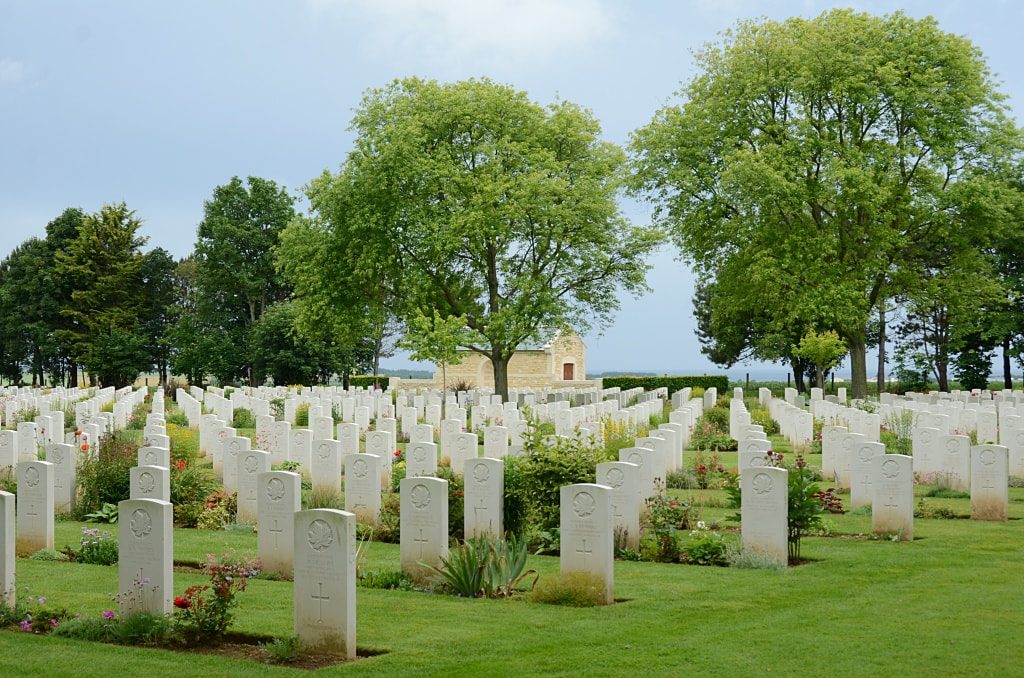
Beny-sur-Mer Canadian War Cemetery
This cemetery holds the graves of over 2,000 soldiers, offering a somber perspective on the human cost of the Normandy campaign.
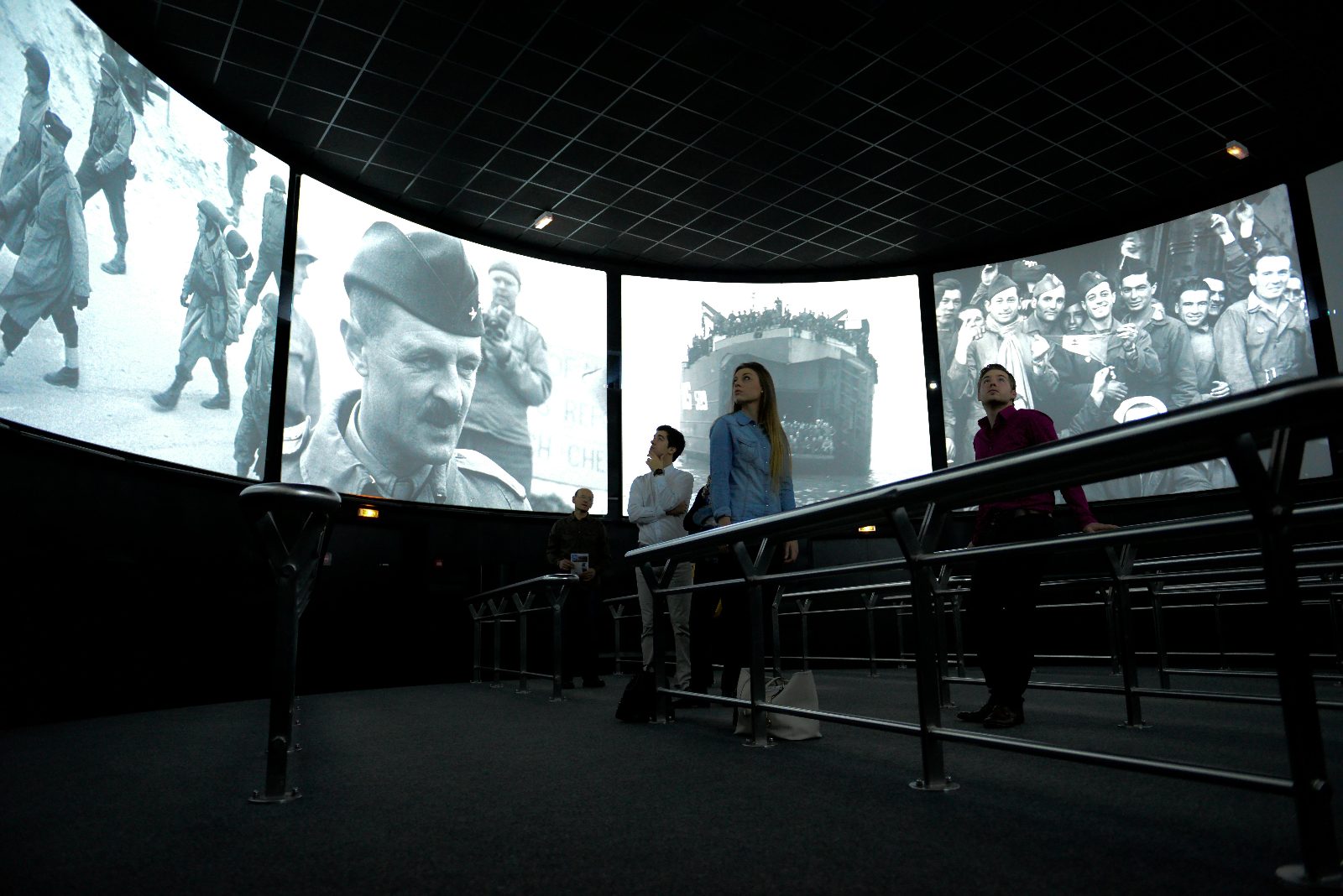
Arromanches 360 Circular Cinema
Located above the site of the artificial Mulberry Harbour, this theater provides a broader tactical overview of the Battle of Normandy.
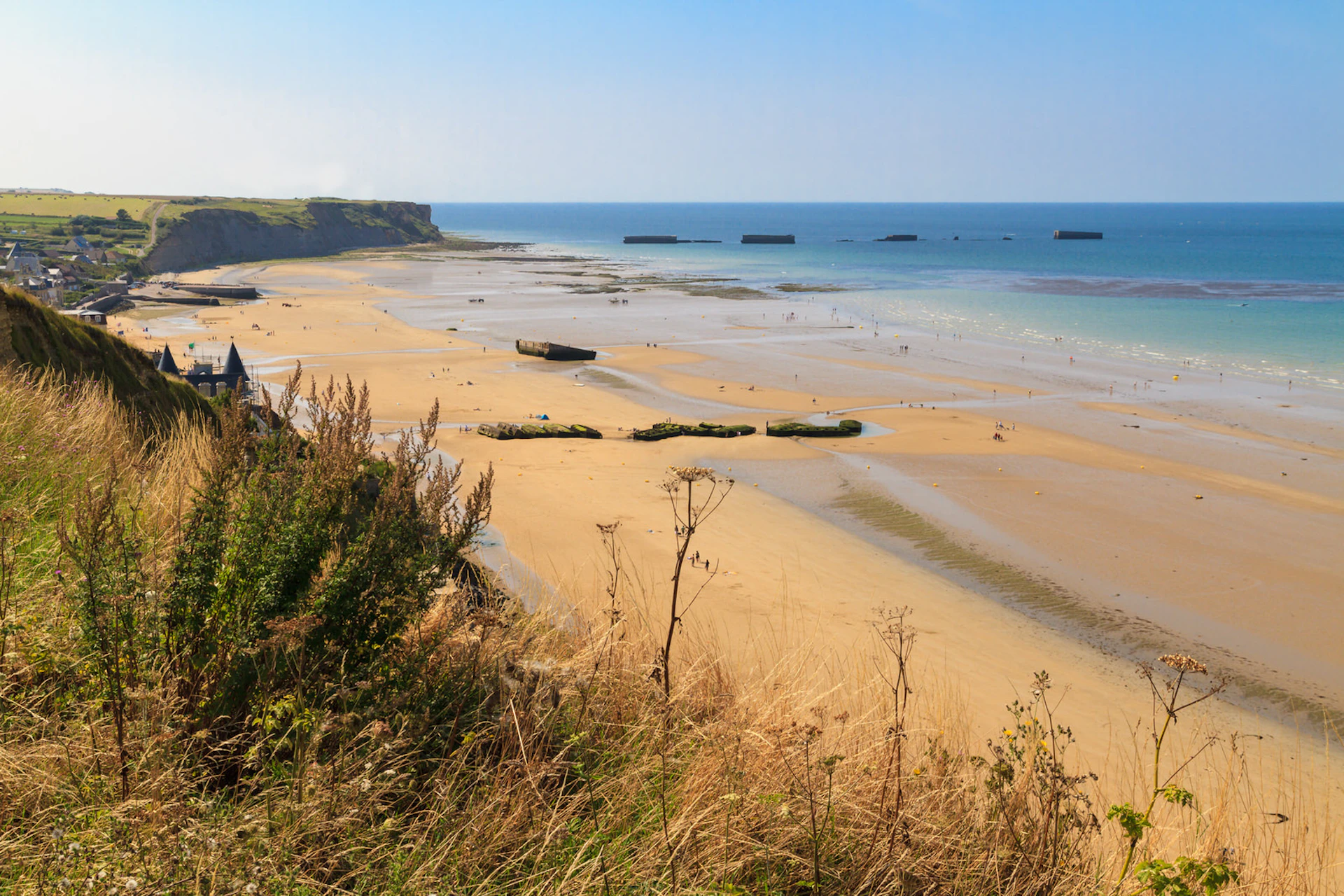
Gold Beach Landing Site
Adjacent to the Canadian sector, this area allows visitors to compare the British landing zones with Juno Beach during their coastal tour.
Check availability
Frequently asked questions about normandy d day tours canadian
Everything you need to know about normandy d day tours canadian